Published · Updated 3 min read
The small business marketing checklist for Australian owners
Most small businesses don't have a marketing problem. They have a fundamentals problem. Work through this checklist to find the gaps that matter most.

Most small businesses don’t need more marketing ideas. They need the fundamentals working consistently. This checklist is the same set of basics we look at when we first review a business’s online presence.
Work through it honestly. You don’t need to tick everything at once. Focus on the gaps closest to the top first, because they affect everything below them.
Website foundations
Your website is where most of your other marketing sends people, so start here.
- Loads quickly on a mobile phone, not just on office Wi-Fi
- Says clearly what you do, who for and where, near the top of the homepage
- Phone number is visible and tap-to-call on mobile
- One clear call to action on every important page
- Real proof visible: reviews, photos of your work, credentials
- Contact form tested recently, and enquiries actually arrive
- Secure (HTTPS), with a privacy policy if you collect personal details
- Services, prices, hours and details are current
Want to go deeper? Read why a website builds trust with customers.
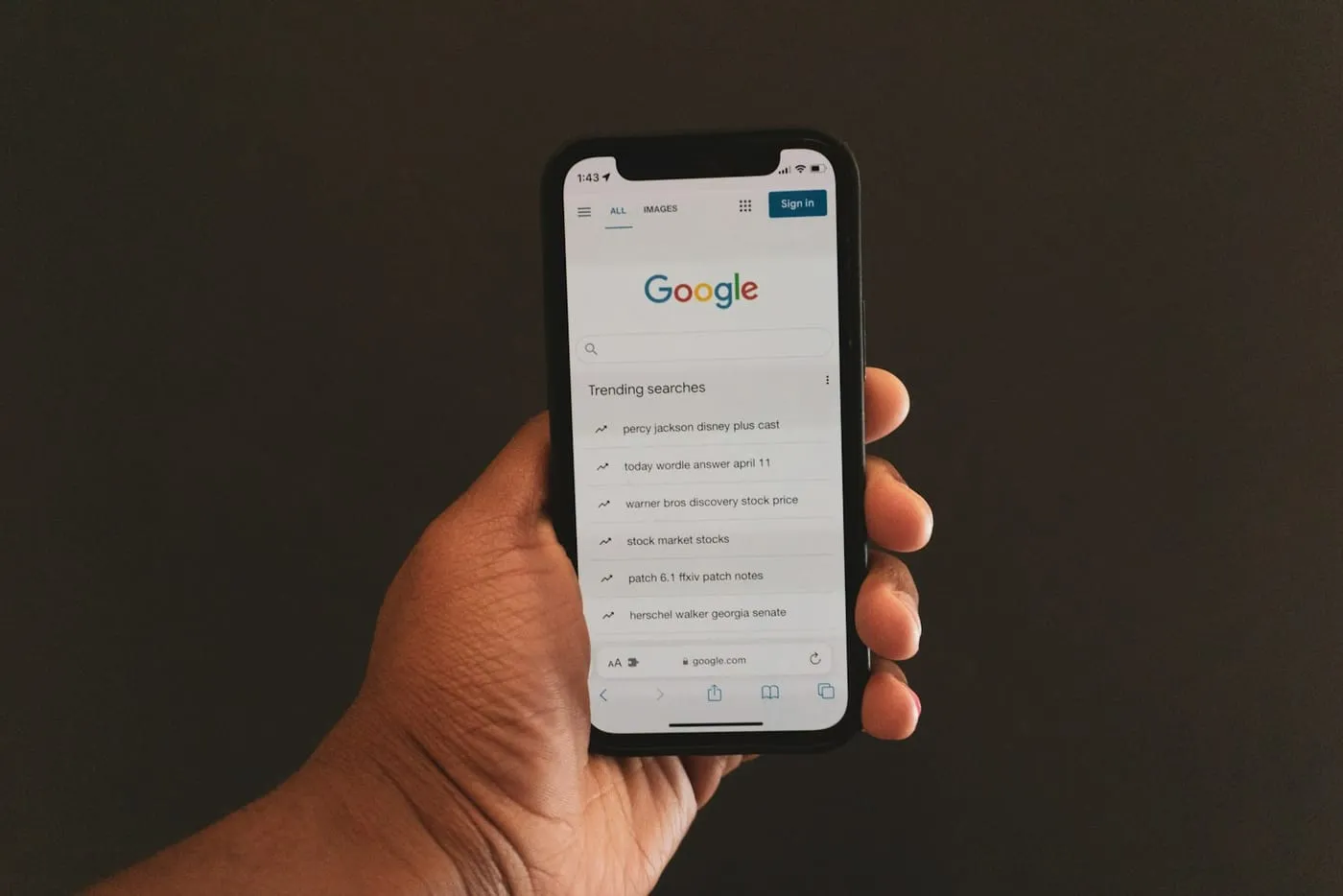 Most local customers start with a Google search on their phone.
Local search and Google Business Profile
- Google Business Profile claimed and verified
- Correct primary category and relevant secondary categories
- Business name, phone and website consistent everywhere
- Service areas or address set correctly
- Recent photos of your work and team
- A simple, regular process for asking happy customers for reviews
- Replies to reviews, including the occasional negative one
- Listed consistently in key Australian directories
Our local SEO service covers all of this in detail.
 Pick the platforms your customers actually use.
Social media
- One or two platforms chosen deliberately, rather than everything at once
- Profile details, links and branding consistent with your website
- A realistic, sustainable posting rhythm
- Real content: your work, team, customers and useful tips
- Messages and comments answered promptly
Email and follow-up
- Every enquiry followed up quickly (speed matters)
- A way to stay in touch with past customers (email or SMS)
- A simple process for asking for reviews and referrals after a job
Paid advertising (if you use it)
- Conversion tracking installed and tested (Google Ads tag and Meta Pixel)
- Ads sent to relevant pages or dedicated landing pages, not just the homepage
- Search term reports reviewed and negative keywords added (Google Ads)
- Ad creative refreshed regularly (Meta Ads)
- You know roughly what each enquiry costs
 Track enquiries, not just visits.
Measurement
- Google Analytics 4 installed and recording enquiries as key events
- Google Search Console verified, with your sitemap submitted
- You know where your enquiries come from (ask every new customer)
- A regular time (monthly or quarterly) to review what’s working
Where to start
If you ticked most boxes, focus on consistency and measurement. If there are several gaps in the first two sections, start there. Your website and Google Business Profile are the foundation everything else relies on.
Need a hand working out priorities? Book a free consultation and we’ll go through it with you.