Published 5 min read
How to tell if your website needs a redesign
Not every tired website needs rebuilding from scratch. Here are the signs that it does, the cases where a refresh is enough, and how to protect your Google rankings when you make the change.
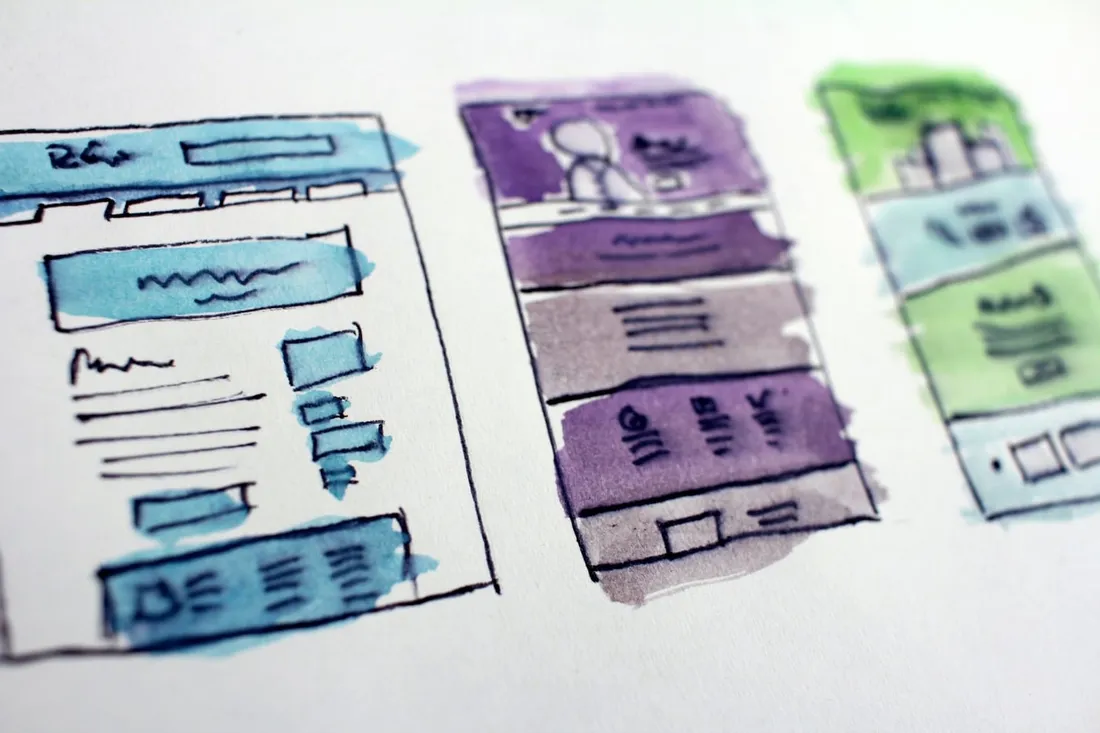
Websites age faster than most things in a business. The site that looked sharp a few years ago may now be slow on phones, hard to update and describing a business you’ve since outgrown.
But “it looks a bit old” isn’t, on its own, a reason to start again. A redesign costs time and money, so it should fix real problems. Here’s how to tell whether yours needs one.
In short: your website likely needs a redesign if it’s hard to use on a phone, slow, impossible to update, out of step with your business, or not producing enquiries. If it works but looks tired, a refresh may be enough. Either way, plan redirects so you keep your Google rankings.
10 signs your website needs a redesign
1. It’s awkward on a phone
Pinching to zoom, tiny buttons, menus that don’t open properly, forms that are painful to fill in. If your site was built before phones were the main way people browse, it may simply not suit how your customers visit today. This is the most common reason a redesign is worth it.
2. It’s slow
Open your home page on your phone using mobile data. If you’re waiting, so are your customers, and some of them won’t wait. Free tools like PageSpeed Insights will show you how it performs. Slow sites are often the result of oversized images, heavy themes and years of added plugins, which can be hard to untangle without starting fresh.
3. You can’t update it
If changing a price or adding a photo means emailing a developer and waiting, your website will fall out of date. Sites that are locked to someone else, or built on a platform nobody on your team understands, tend to stay frozen.
4. It doesn’t describe your business any more
Businesses change. You’ve added services, dropped others, moved, rebranded or started targeting different customers. If your website still describes the business you were, every visitor gets the wrong impression.
5. It isn’t bringing in enquiries
If people visit but rarely get in touch, something is getting in the way. Common culprits are unclear messaging, no obvious next step, a lack of proof like reviews and photos, and forms that are long or broken. Sometimes these can be fixed in place. Often they’re baked into the structure.
6. It doesn’t show up on Google
If your business doesn’t appear when people search for your services in your area, the website may be part of the problem. One page trying to cover every service, missing page titles and descriptions, thin content and slow loading all make it harder for Google to know when to show you. Our SEO and local SEO pages explain what else is involved.
7. It looks dated next to your competitors
Customers compare. If they open three websites side by side and yours looks the least cared for, it reflects on your business even if your work is better. This is about credibility rather than fashion. We explain more in why websites build trust.
8. It isn’t secure
If your browser shows “Not secure” next to your address, your site isn’t using HTTPS. Browsers warn visitors about it, especially on pages with forms. Outdated platforms and plugins that no longer receive updates are a similar risk.
9. Your marketing has outgrown it
If you’re running ads, posting on social media or sending emails, your website is where that traffic lands. A site without focused landing pages, clear offers or tracking makes it hard to tell what your marketing is achieving, and easy to waste budget. See our landing page design service for how this fits together.
10. You’re embarrassed to share it
It sounds unscientific, but it’s a reliable test. If you hesitate before giving someone your web address, or find yourself saying “ignore the website, it’s old”, it isn’t doing its job.
 A refresh keeps what works and fixes what doesn’t.
When a refresh is enough
Not every problem needs a full rebuild. A refresh might be all you need if your site:
- Works well on phones and loads quickly
- Is on a platform you can update easily
- Already brings in some enquiries
In that case, updated copy, new photos of your real work, fresh reviews, clearer calls to action and a few new service pages can make a big difference for far less than a rebuild.
If the problems are structural (a slow platform, a site you can’t edit, no mobile layout) patching tends to cost more over time than starting again.
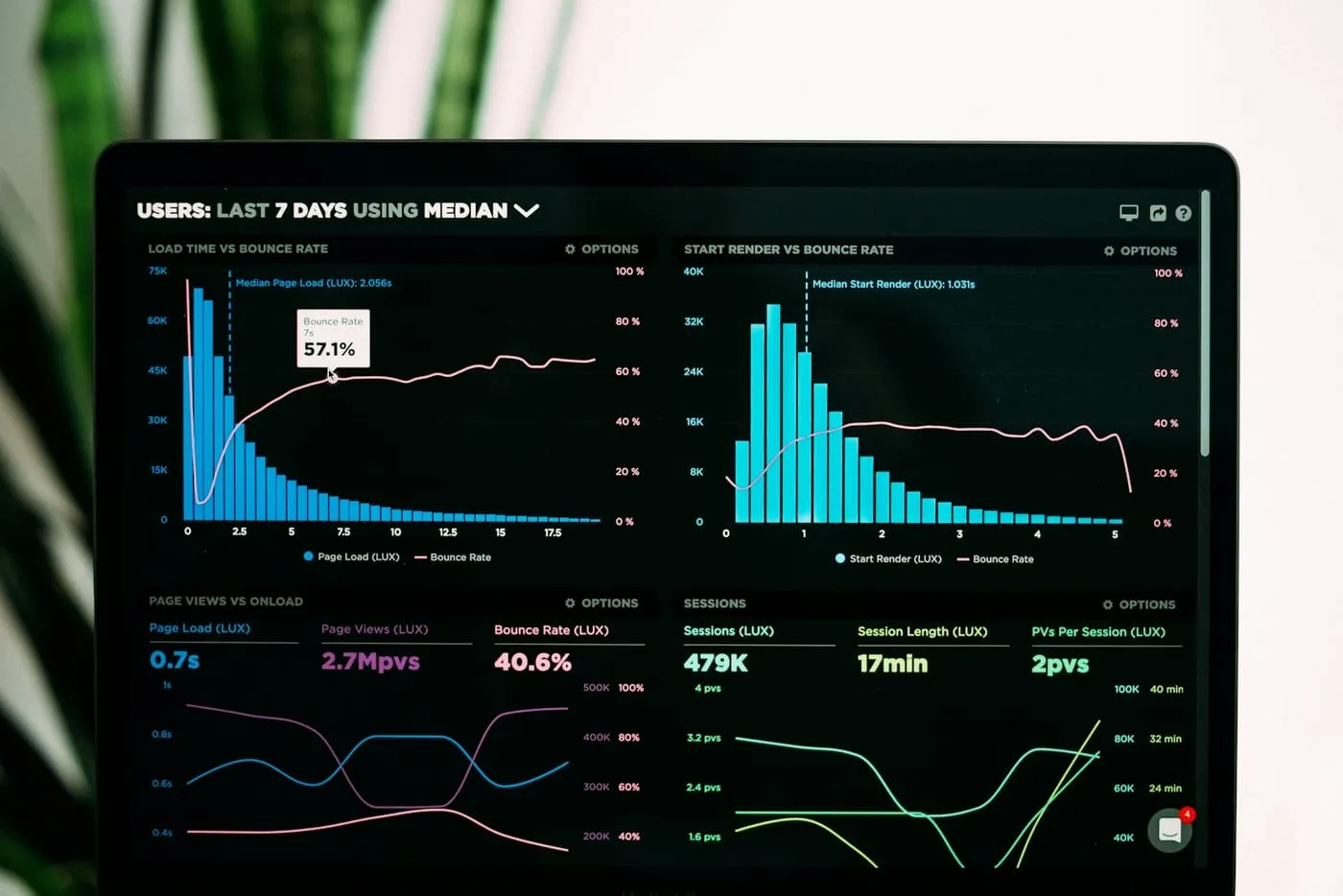 Check your analytics before you change anything, so you know which pages already bring in visitors.
How to redesign without losing your Google rankings
A redesign is one of the few times a website can lose search visibility quickly, usually because of avoidable mistakes. Before you launch a new site:
- List every page on your current site. Your sitemap or Google Search Console will show them.
- Keep the same addresses where you can. If page addresses change, set up permanent (301) redirects from every old address to the matching new page.
- Keep the content that ranks. Check Search Console for pages that bring in visitors and make sure their content carries over, improved rather than removed.
- Check titles, descriptions and headings on every new page before launch.
- Submit your new sitemap in Search Console after launch and watch for errors for the first few weeks.
We follow this process on every redesign, including our own website, so you can change platforms without starting from zero.
Not sure which you need?
If you’re weighing up a refresh against a redesign, we’re happy to look at your current site and give you a straight answer, even if the answer is that it only needs small changes. Book a free consultation, read about our website design service, or see what makes a good business website for a checklist you can run yourself.
Questions about this topic
How often should a business website be redesigned?
There's no fixed schedule. Redesign when the site no longer does its job: it doesn't work well on phones, you can't update it, it doesn't reflect your business or it isn't producing enquiries. Keep the content up to date in between.
Will a redesign hurt my Google rankings?
It can if it's done carelessly, for example if page addresses change without redirects or important content is removed. Done properly, with a redirect plan and the same or better content, a redesign usually helps rather than hurts.
Should I redesign or just refresh my website?
If the site works well on phones, is fast, you can update it and it brings in enquiries, a refresh of the copy, photos and styling is often enough. If the problems are structural, such as a slow or outdated platform, a redesign is usually better value.